Legs exercises with instructions
Quads · Hamstrings · Glutes · Calves · Adductors · Abductors
Body map
Primary
Quads · Hamstrings · Glutes · Calves · Adductors · Abductors
Secondary
none
What counts as legs
Legs is the largest group in the library and the one with the most individual muscles: quads, hamstrings, glutes, calves, adductors and abductors.
The quads extend the knee. They carry squats, leg presses, lunges and leg extensions. The hamstrings bend the knee and help extend the hip; they come in on Romanian deadlifts and leg curls. The glutes extend the hip and are the strongest muscle in the body — they work in any movement where the hip comes forward out of a bent position. The calves lift the heel. Adductors and abductors pull the leg toward the midline and away from it.
The most important distinction in leg training: knee bend or hip hinge. In a squat the knee travels forward and the quads work. In a hinge the knee stays nearly straight, the hips travel back, and glutes and hamstrings work. A plan needs both. Squat only and you have a strong front and a weak back.
What matters in execution. In a squat the knee tracks the direction of the foot and does not collapse inward. Depth decides more than the weight — half a squat trains half a range. On anything driven by the hips the spine keeps its natural shape, and the movement ends when the back of the leg stops giving.
How much per week. Roughly 10 to 20 sets per muscle group. For legs it is worth splitting those sets between knee work and hip work instead of adding them up: fifteen sets of squats is not leg training, it is quad training.
---
All legs exercises
-
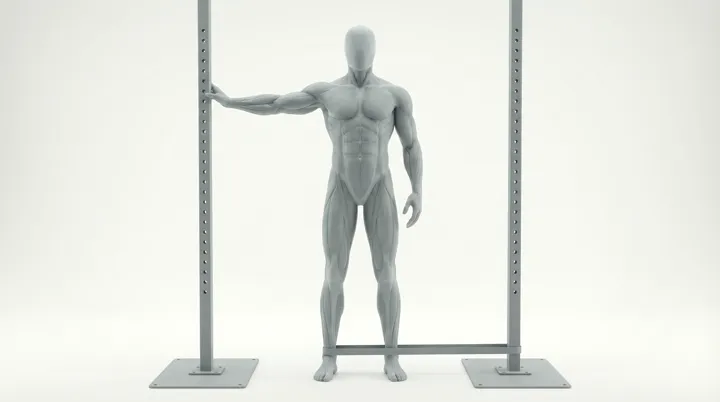 Band Hip AbductionGlutes · Band
-
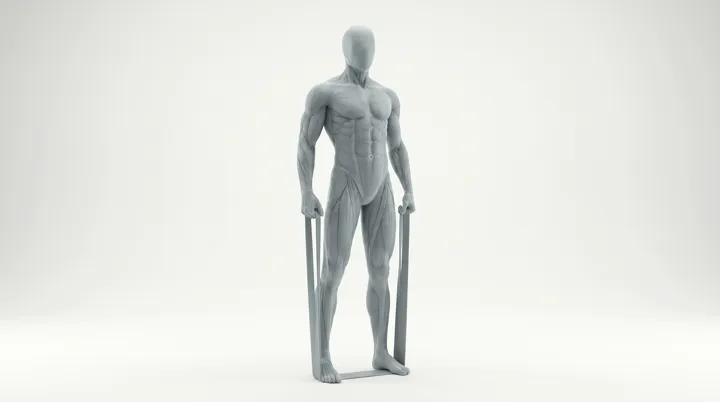 Band Romanian DeadliftGlutes · Band
-
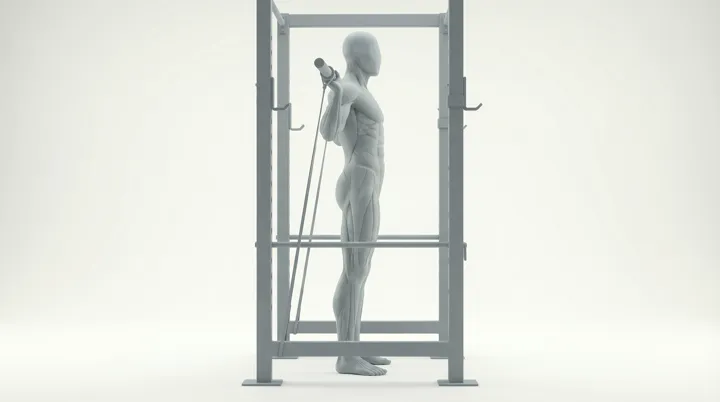 Barbell Banded Back SquatQuads · Barbell
-
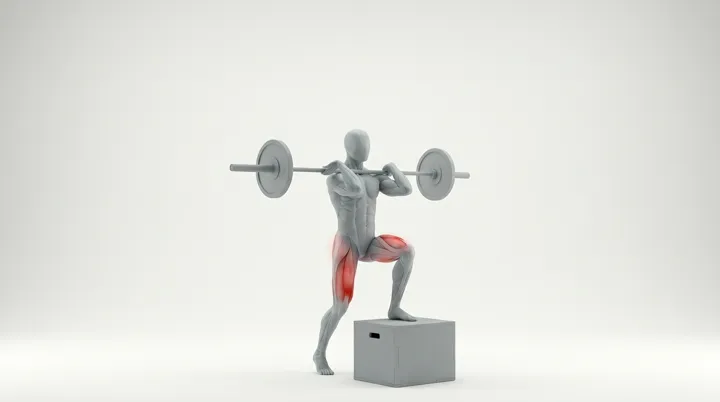 Barbell Front Rack Step Up Knee DriveQuads · Barbell
-
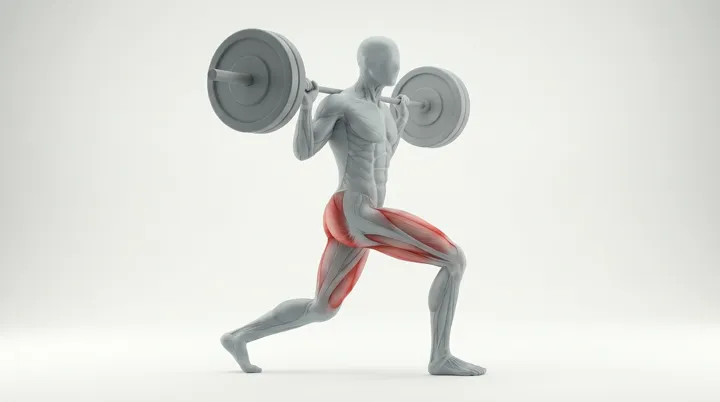 Barbell Split SquatGlutes · Barbell
-
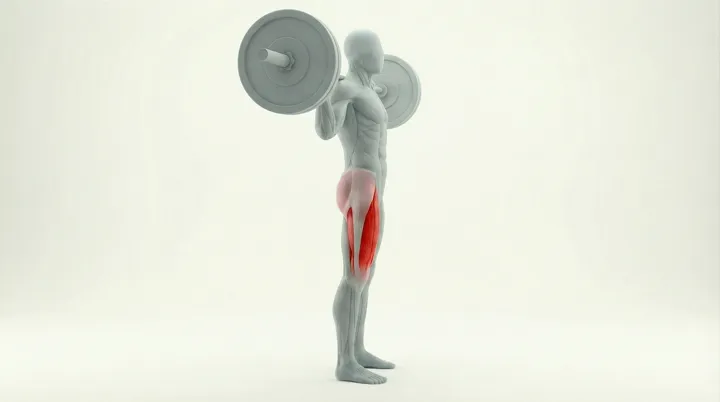 Barbell SquatQuads · Barbell
-
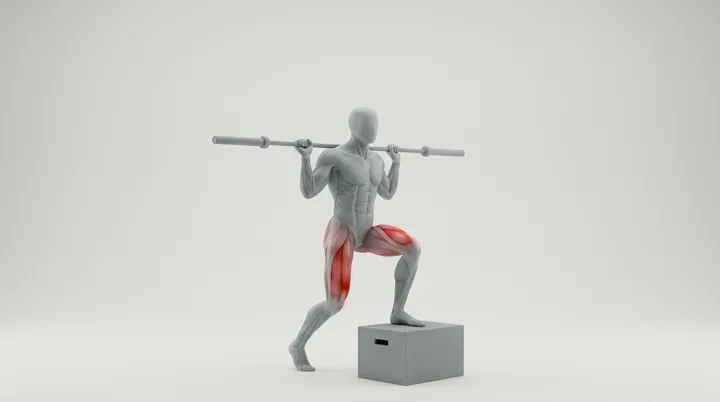 Barbell Step Up Knee DriveQuads · Barbell
-
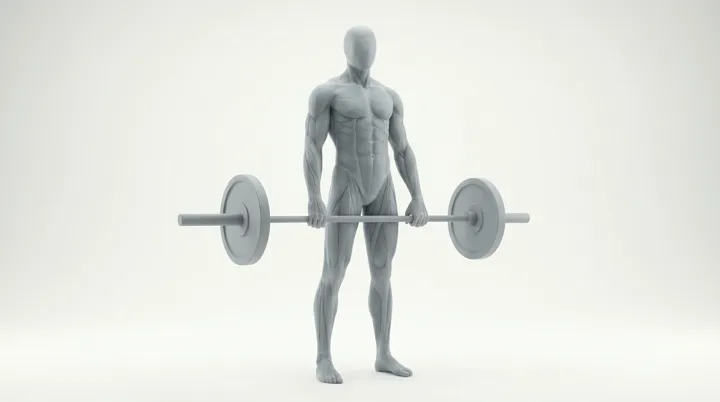 Barbell Stiff Leg DeadliftsGlutes · Barbell
-
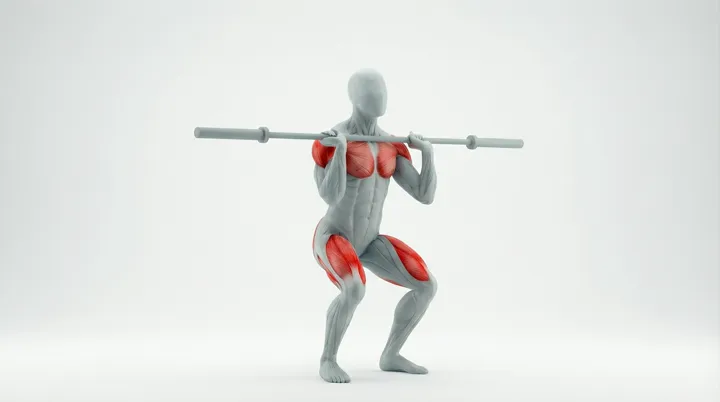 Barbell ThrusterGlutes · Barbell
-
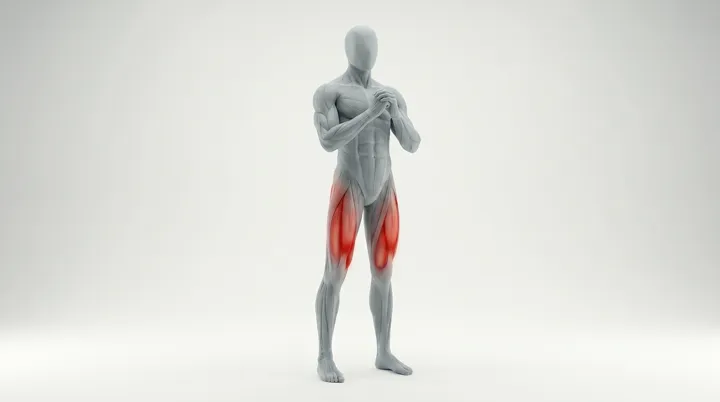 Bodyweight Alternating Lateral LungeGlutes · Bodyweight
-
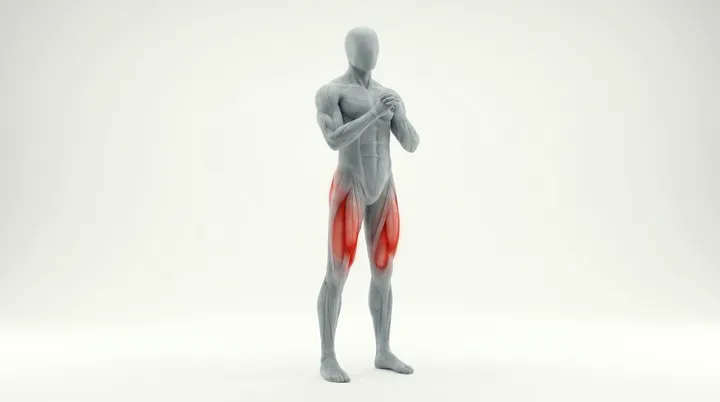 Bodyweight Alternating Reverse LungesGlutes · Bodyweight
-
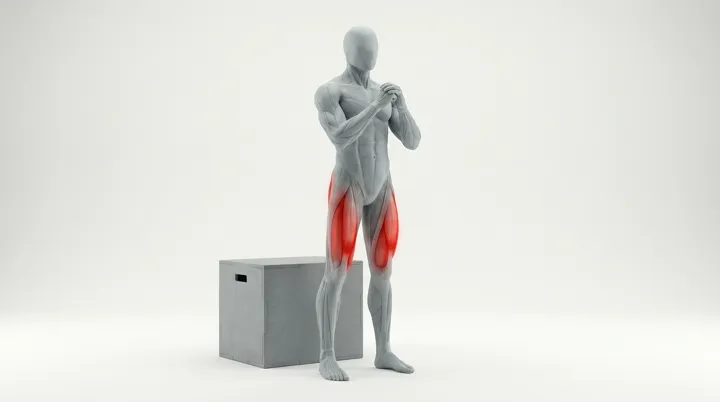 Bodyweight Box SquatGlutes · Bodyweight
-
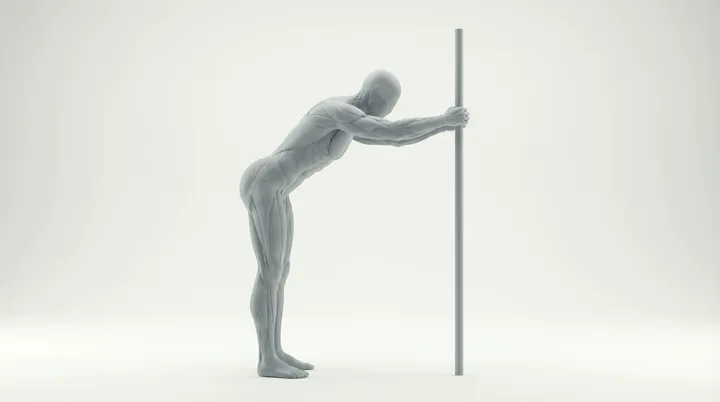 Bodyweight Donkey Calf RaiseCalves · Bodyweight
-
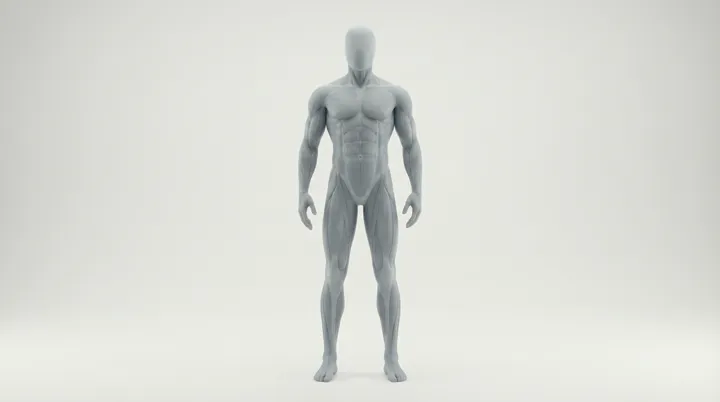 Bodyweight Hip AbductionGlutes · Bodyweight
-
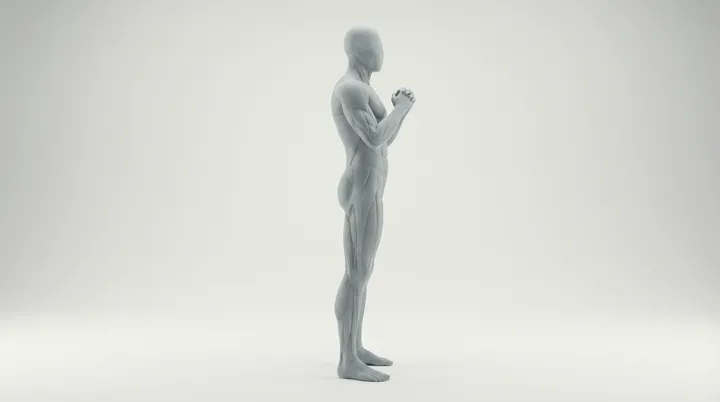 Bodyweight Reverse LungeGlutes · Bodyweight
-
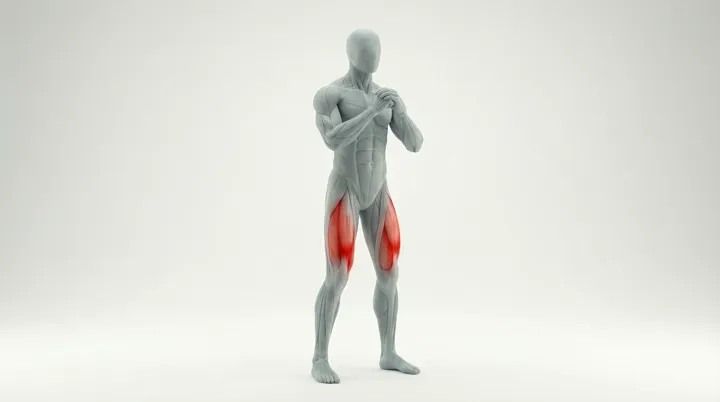 Bodyweight SquatGlutes · Bodyweight
-
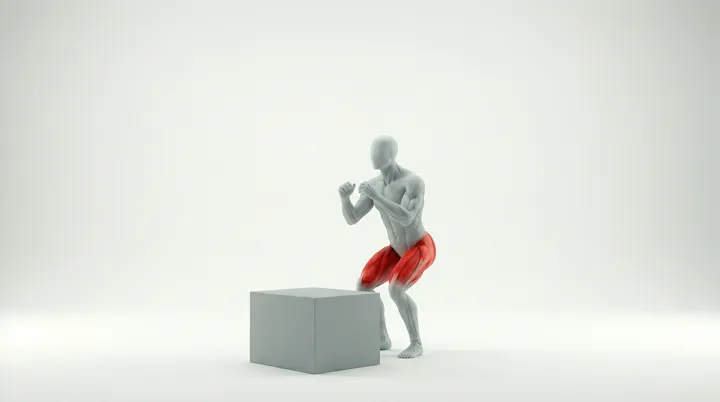 Box JumpGlutes · Bodyweight
-
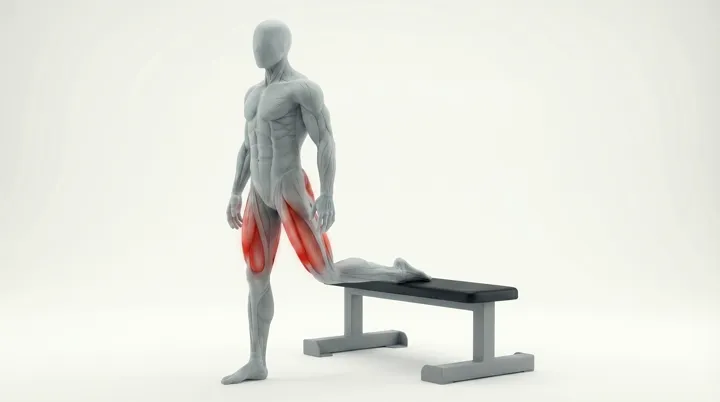 Bulgarian Split SquatGlutes · Bodyweight
-
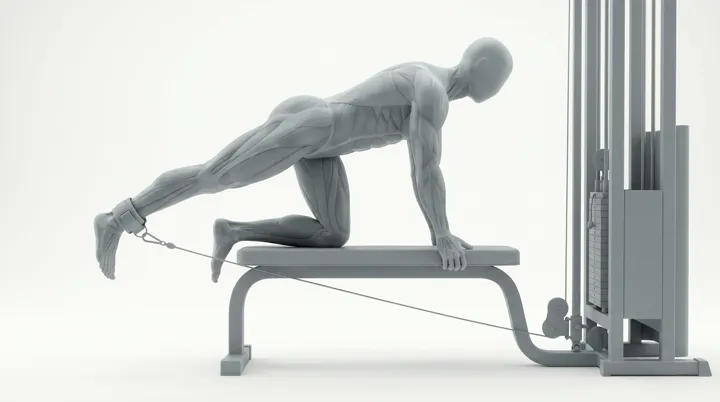 Cable Bench Straight Leg KickbackGlutes · Cable
-
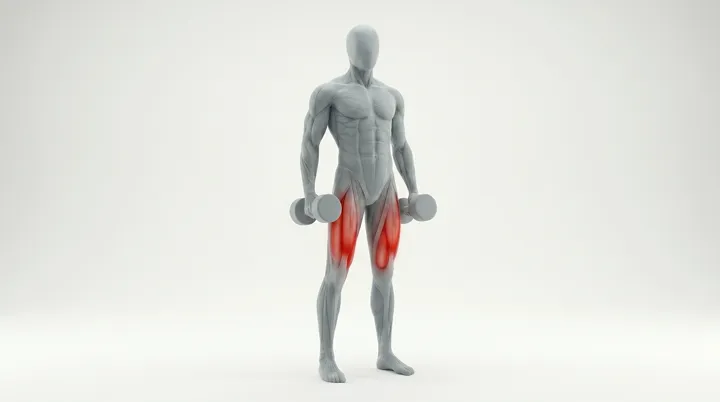 Dumbbell Alternating Forward LungeGlutes · Dumbbell
-
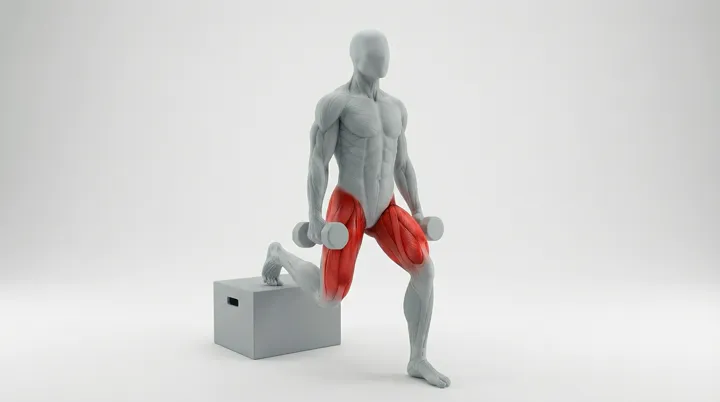 Dumbbell Bulgarian Split SquatGlutes · Dumbbell
-
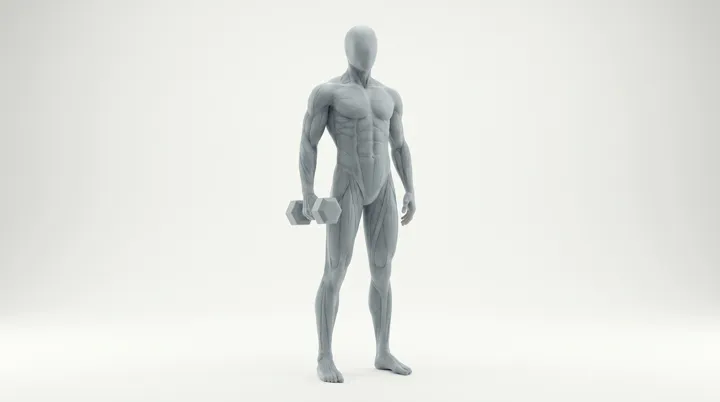 Dumbbell Cross Body Romanian DeadliftGlutes · Dumbbell
-
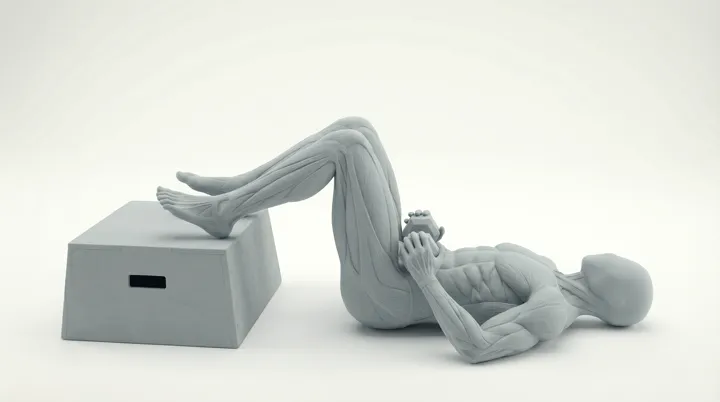 Dumbbell Feet Elevated Glute BridgeGlutes · Dumbbell
-
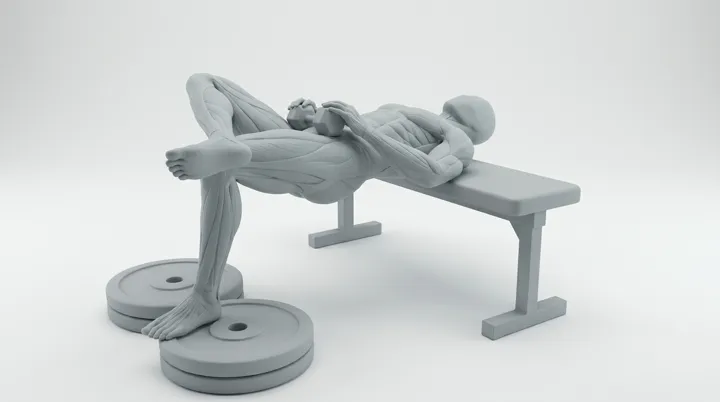 Dumbbell Figure Four Heels Elevated Hip ThrustGlutes · Dumbbell
-
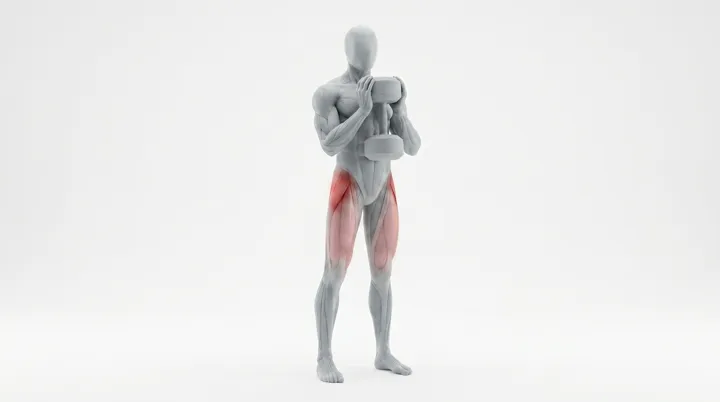 Dumbbell Goblet Alternating Curtsy LungeGlutes · Dumbbell
-
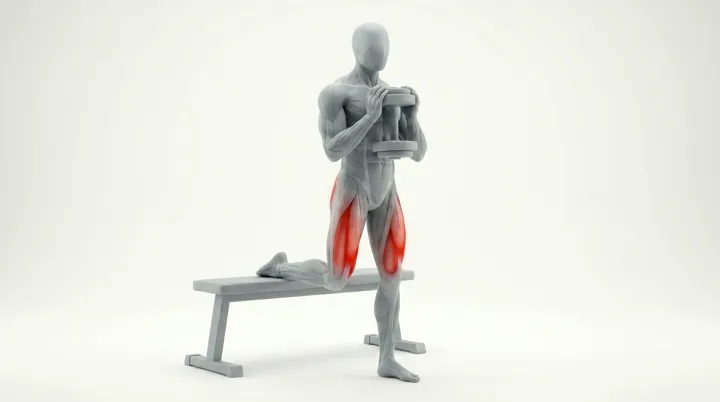 Dumbbell Goblet Bulgarian Split SquatGlutes · Dumbbell
-
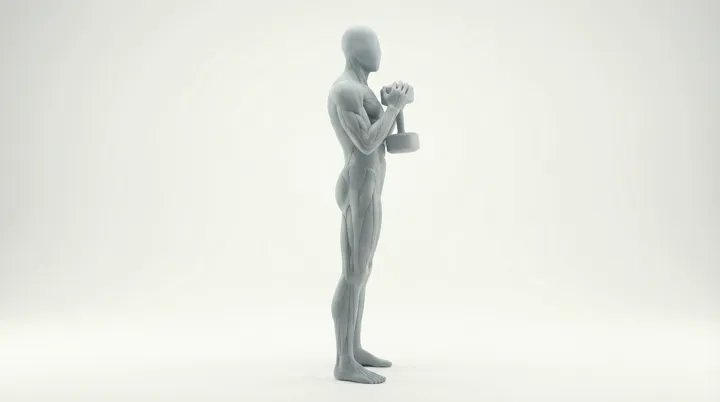 Dumbbell Goblet Forward LungeGlutes · Dumbbell
-
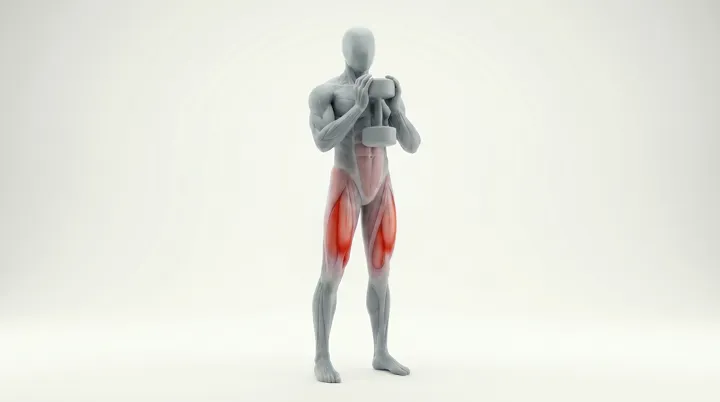 Dumbbell Goblet Reverse LungeGlutes · Dumbbell
-
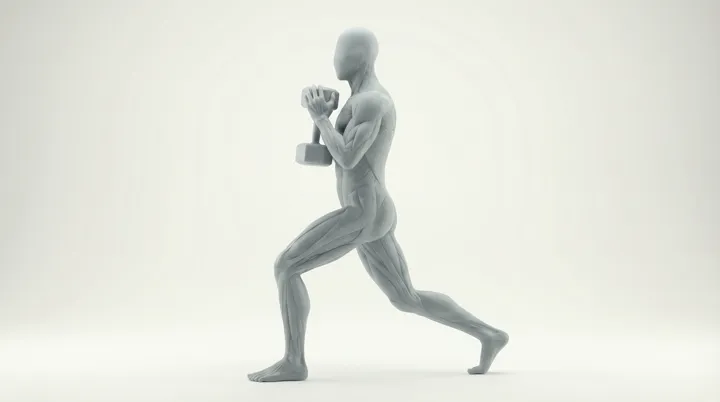 Dumbbell Goblet Split SquatGlutes · Dumbbell
-
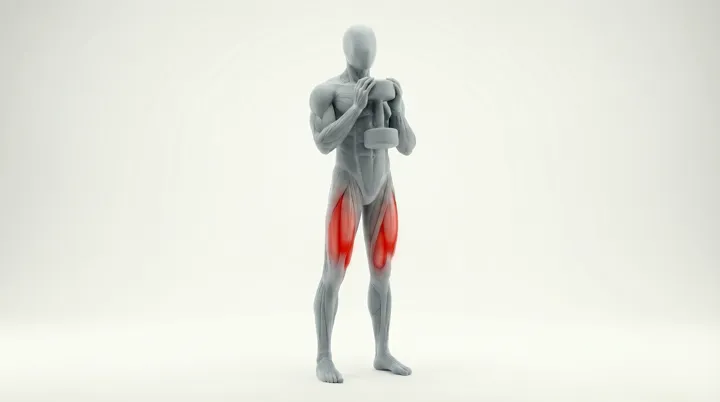 Dumbbell Goblet SquatGlutes · Dumbbell
-
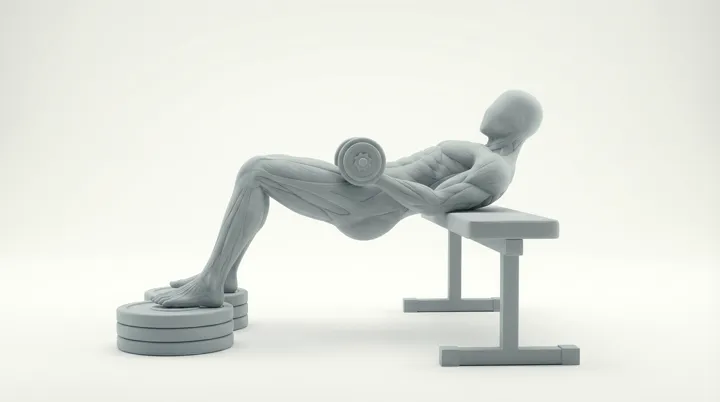 Dumbbell Heels Elevated Hip ThrustGlutes · Dumbbell
-
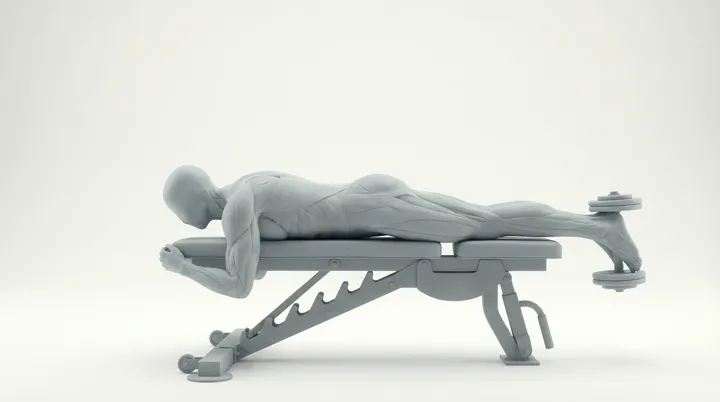 Dumbbell Leg CurlHamstrings · Dumbbell
-
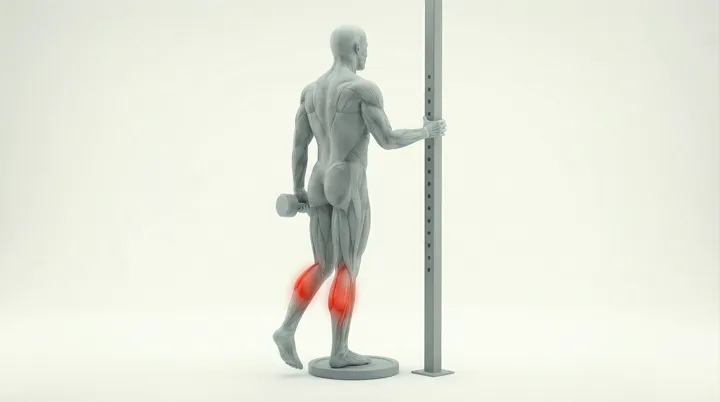 Dumbbell Single Leg Calf RaiseCalves · Dumbbell
-
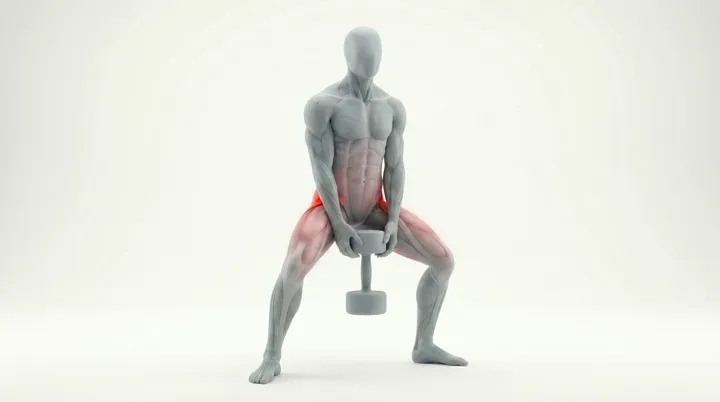 Dumbbell Sumo SquatGlutes · Dumbbell
-
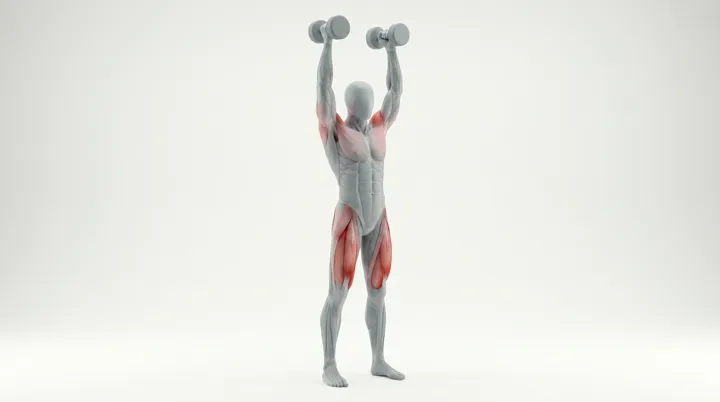 Dumbbell ThrusterGlutes · Dumbbell
-
 Forward LungeGlutes · Bodyweight
-
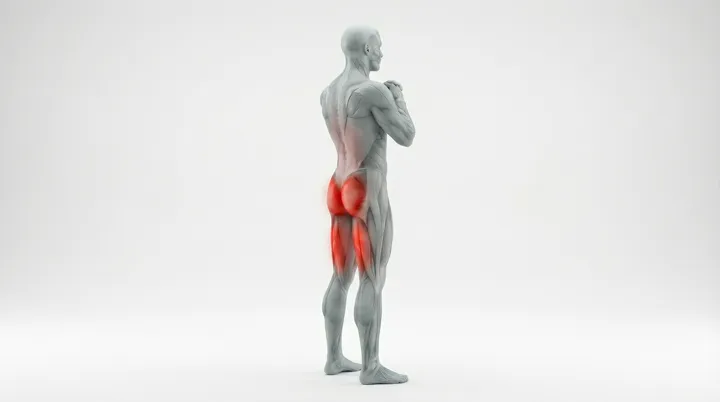 Good MorningsGlutes · Bodyweight
-
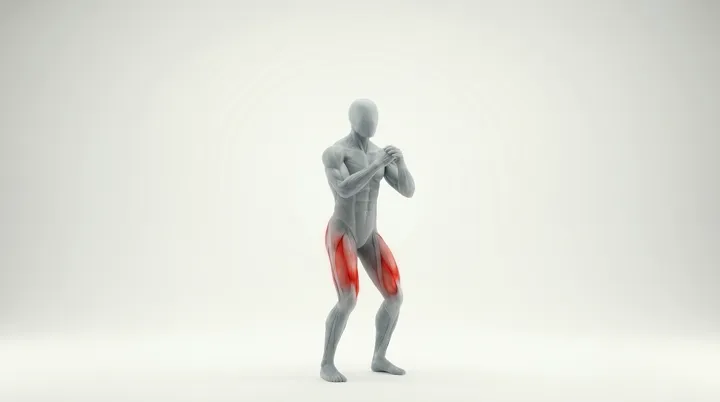 Jump SquatsGlutes · Bodyweight
-
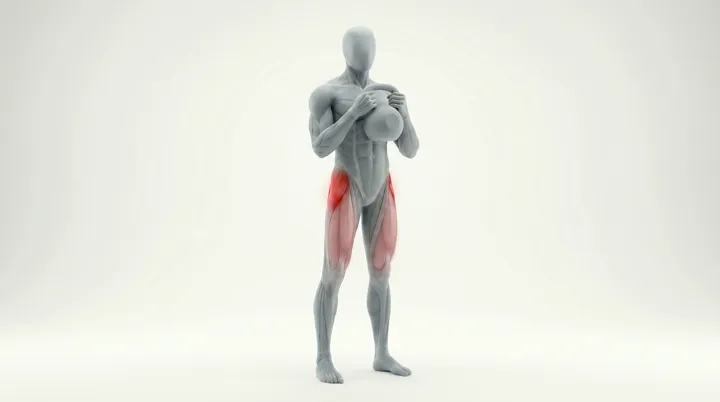 Kettlebell Alternating Curtsy LungeGlutes · Kettlebell
-
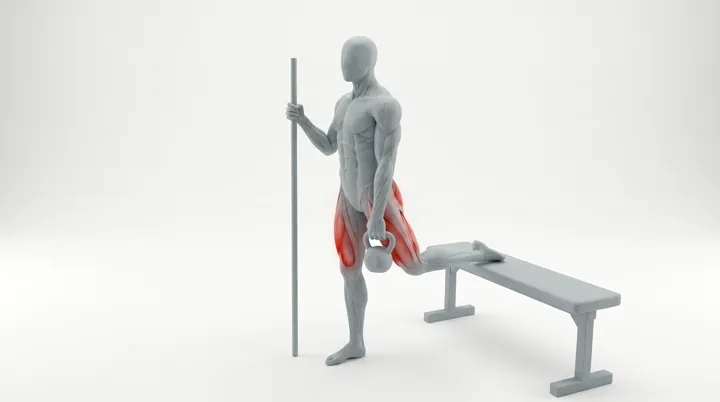 Kettlebell Assisted Bulgarian Split SquatGlutes · Kettlebell
-
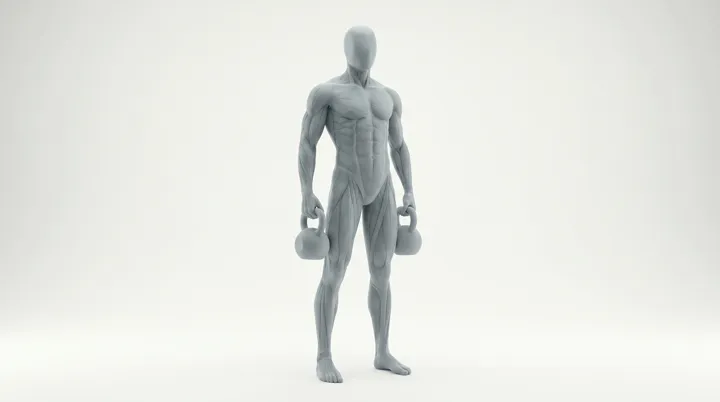 Kettlebell Calf RaiseCalves · Kettlebell
-
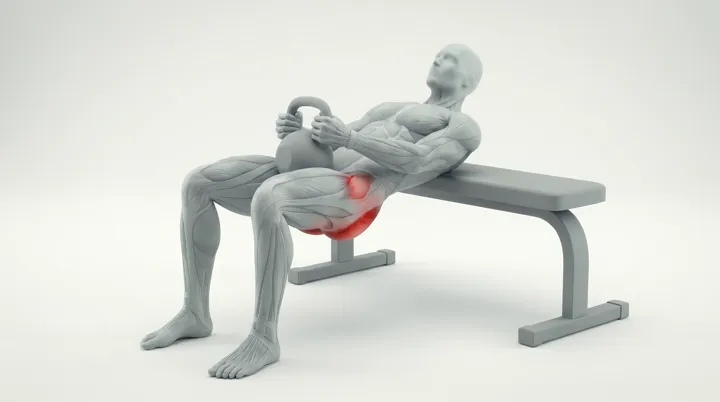 Kettlebell Hip ThrustGlutes · Kettlebell
-
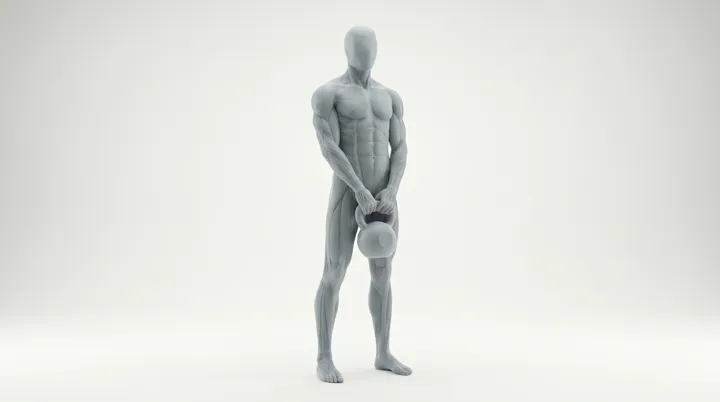 Kettlebell Romanian DeadliftGlutes · Kettlebell
-
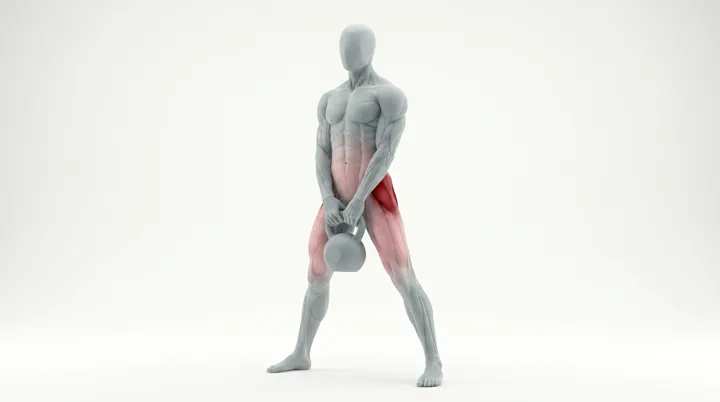 Kettlebell Sumo DeadliftGlutes · Kettlebell
-
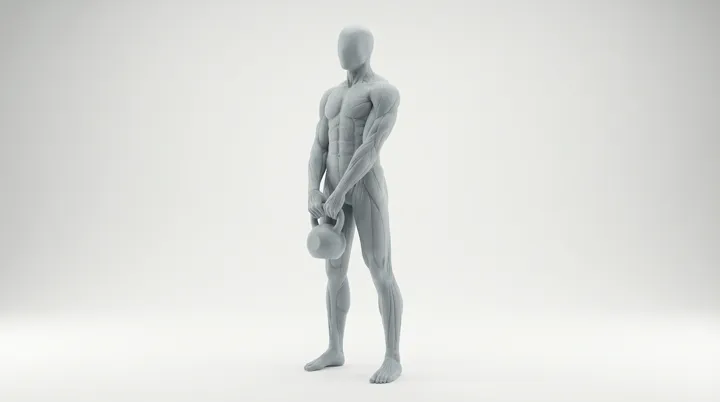 Kettlebell SwingGlutes · Kettlebell
-
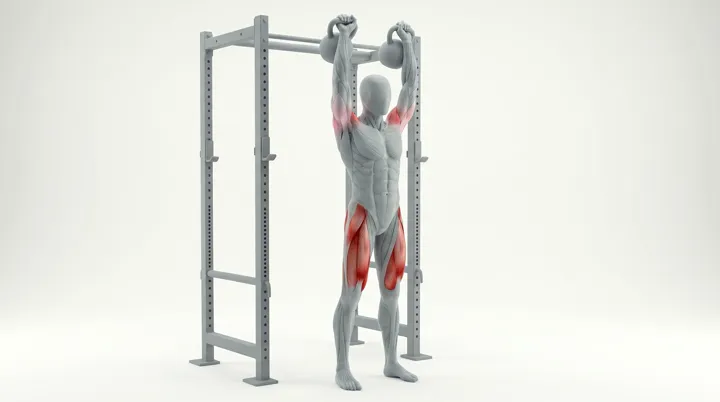 Kettlebell ThrusterGlutes · Kettlebell
-
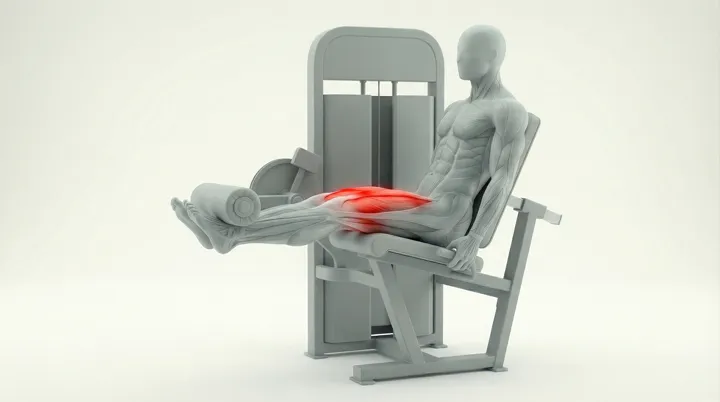 Machine Leg ExtensionQuads · Machine
-
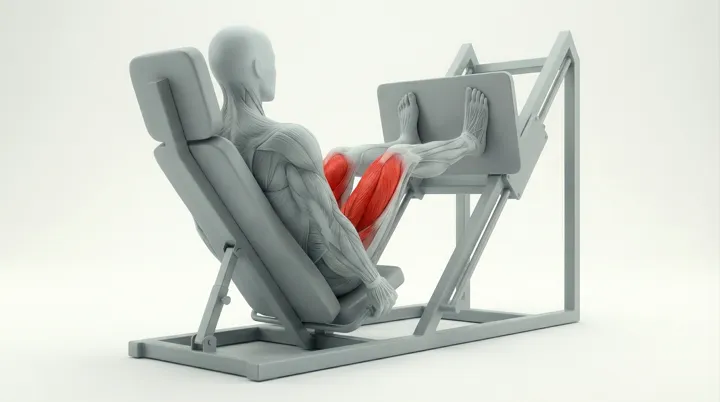 Machine Leg PressGlutes · Machine
-
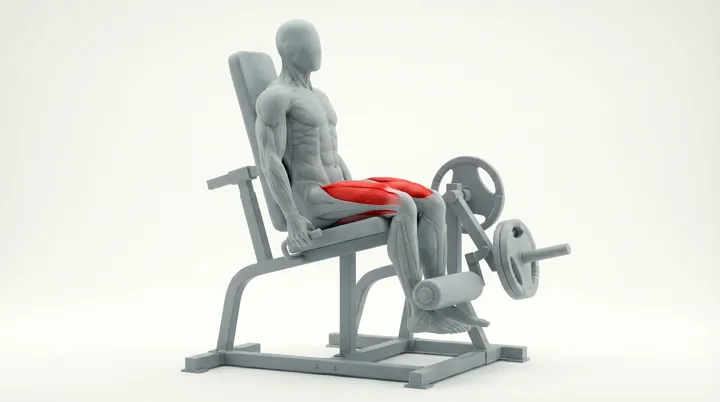 Machine Plate Loaded Leg ExtensionQuads · Machine
-
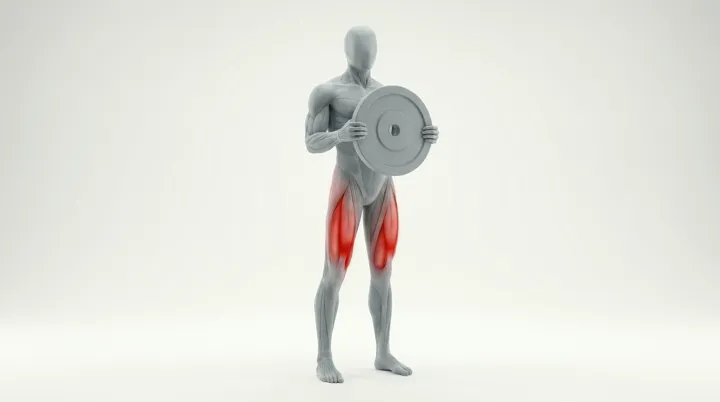 Plate Forward LungeQuads · Barbell
-
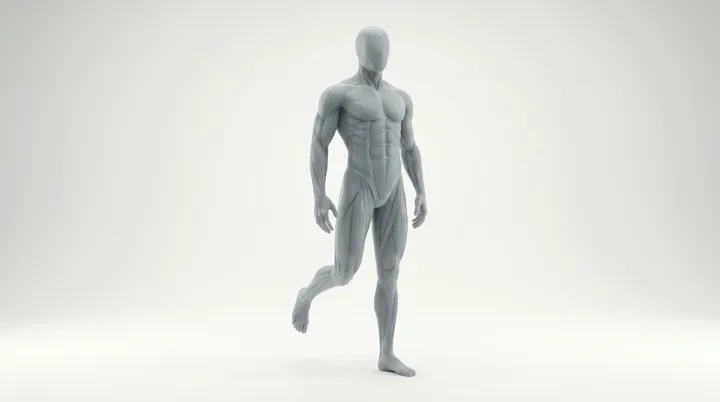 Single Legged Romanian DeadliftsGlutes · Bodyweight
-
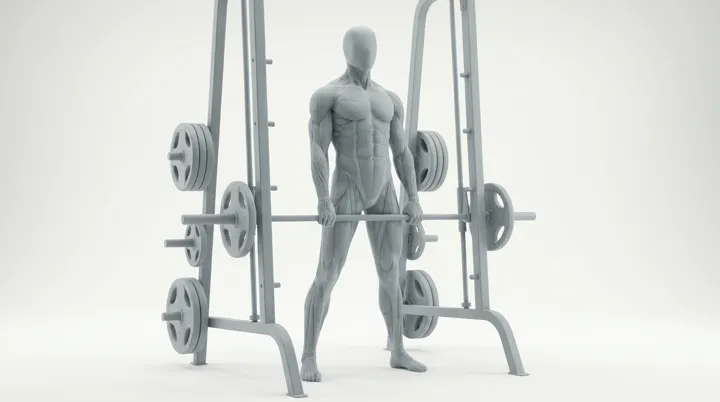 Smith Machine Sumo Romanian DeadliftGlutes · Machine
-
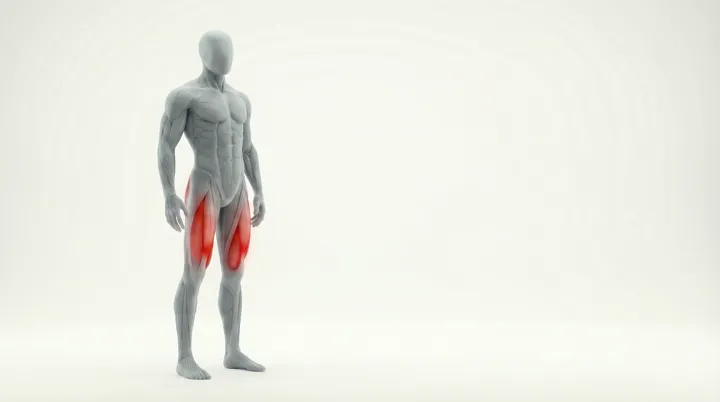 Walking LungeGlutes · Bodyweight
-
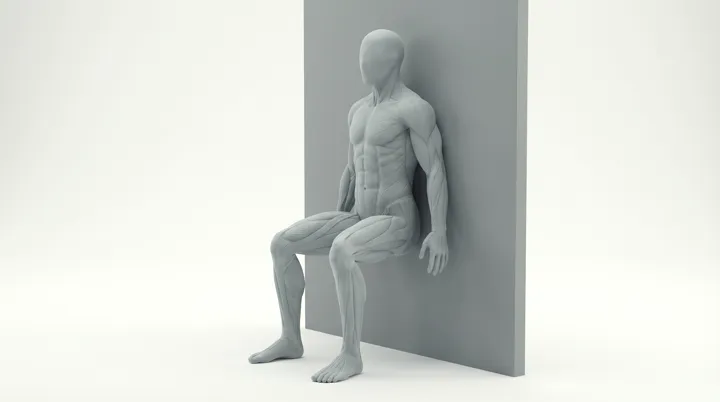 Wall SitQuads · Bodyweight
Other muscle groups
Build a plan from these exercises and log your sets. nocardio works out how much volume actually lands on your legs.